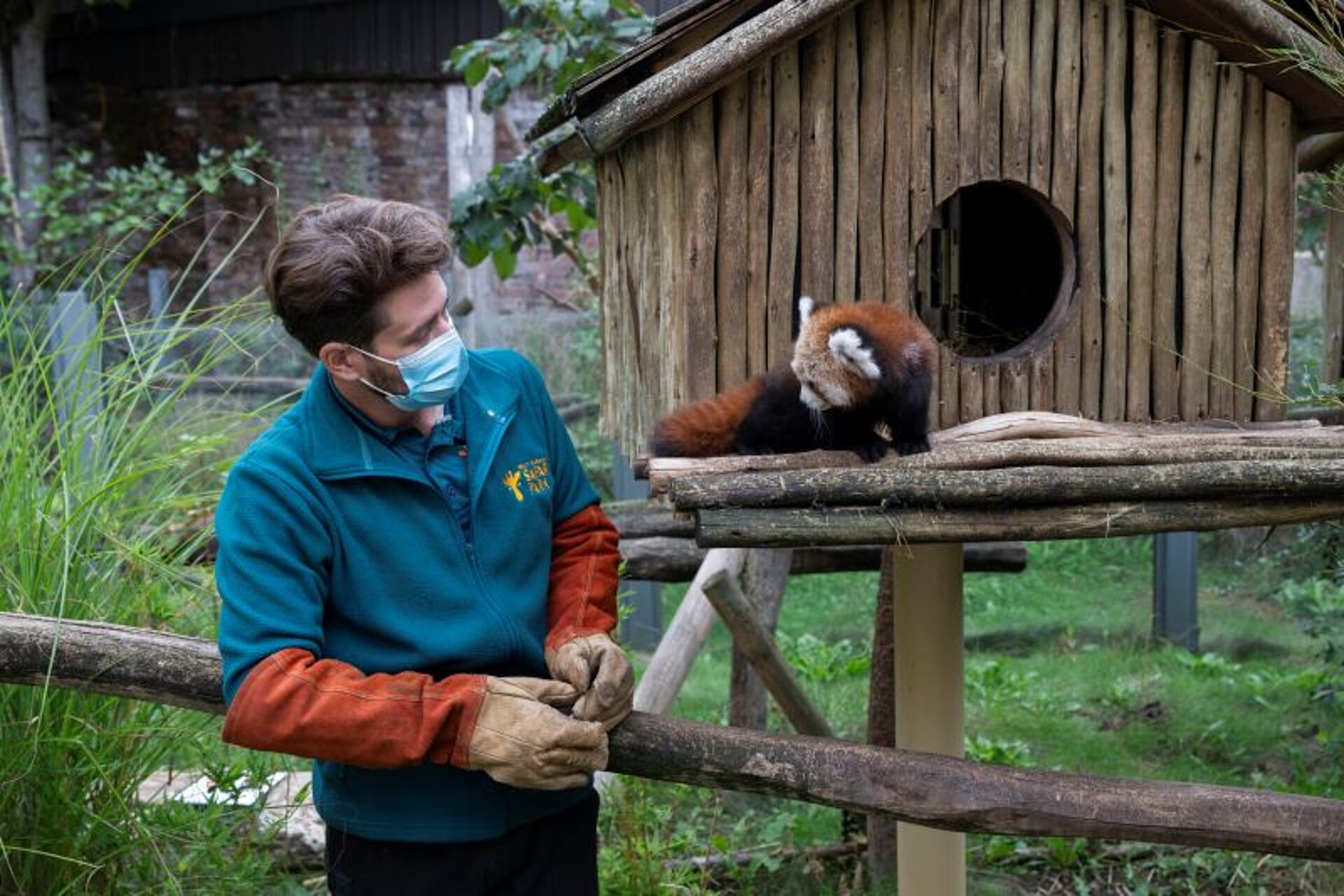
It's a Girl! Endangered Red Panda Cub has First Health Check
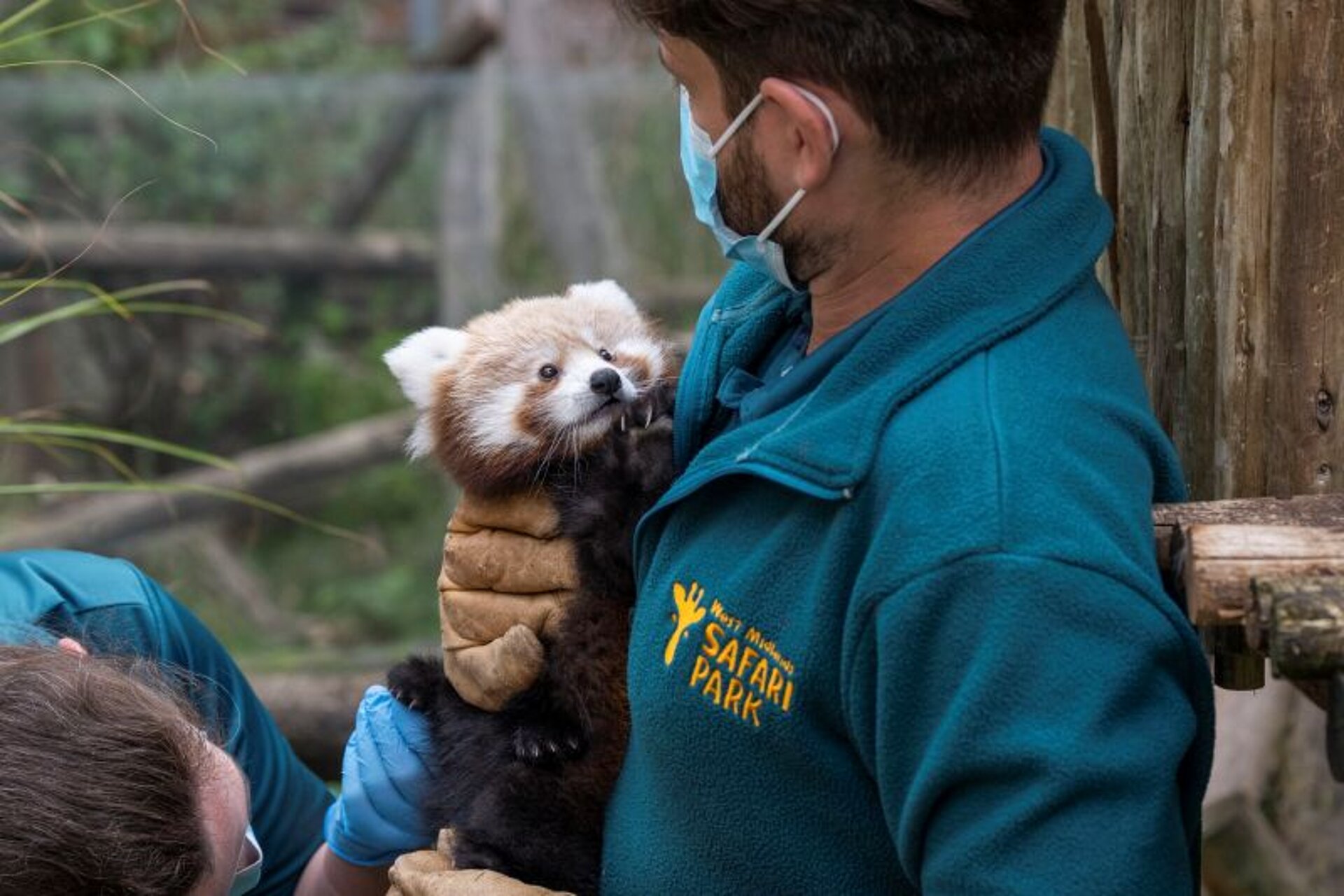
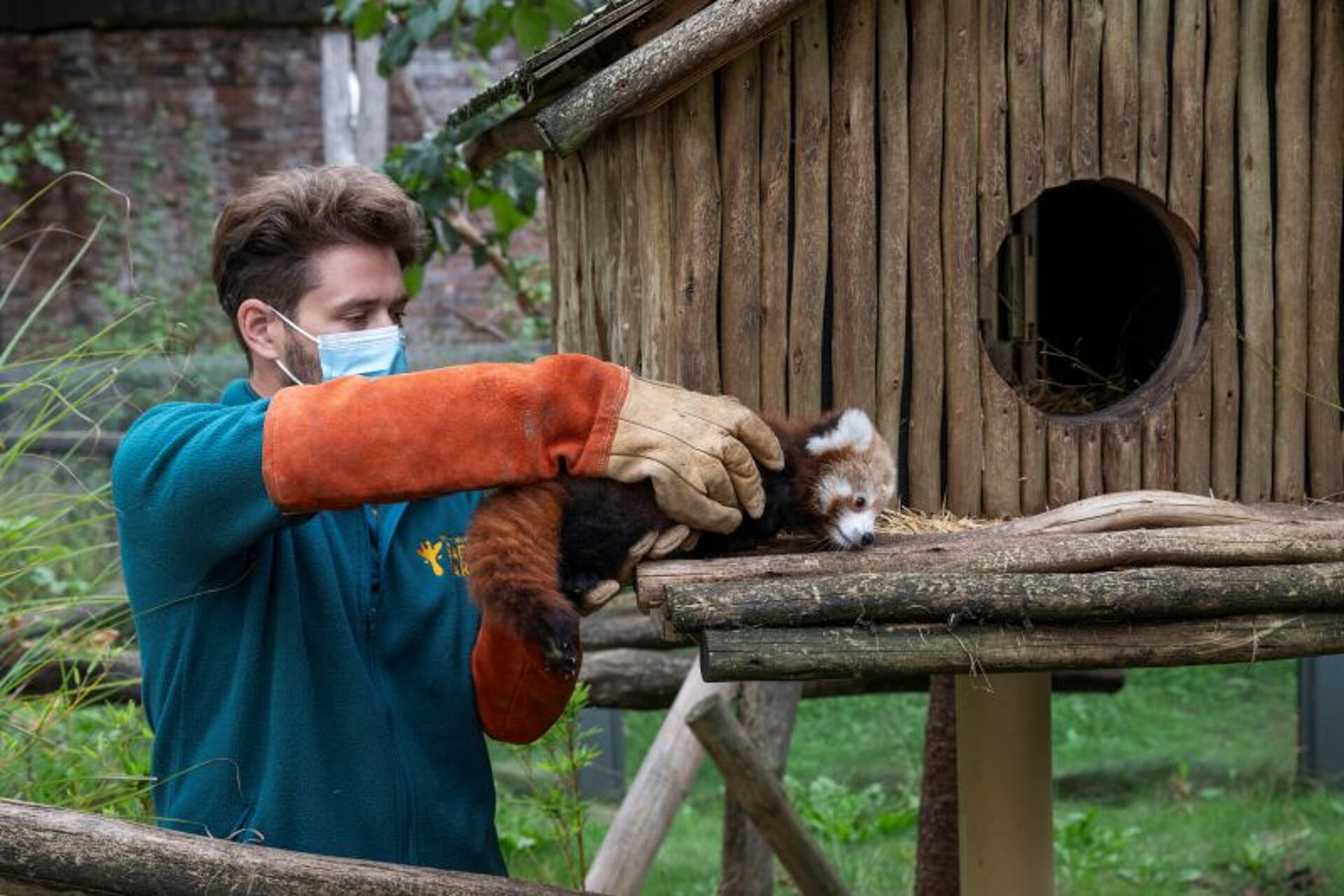
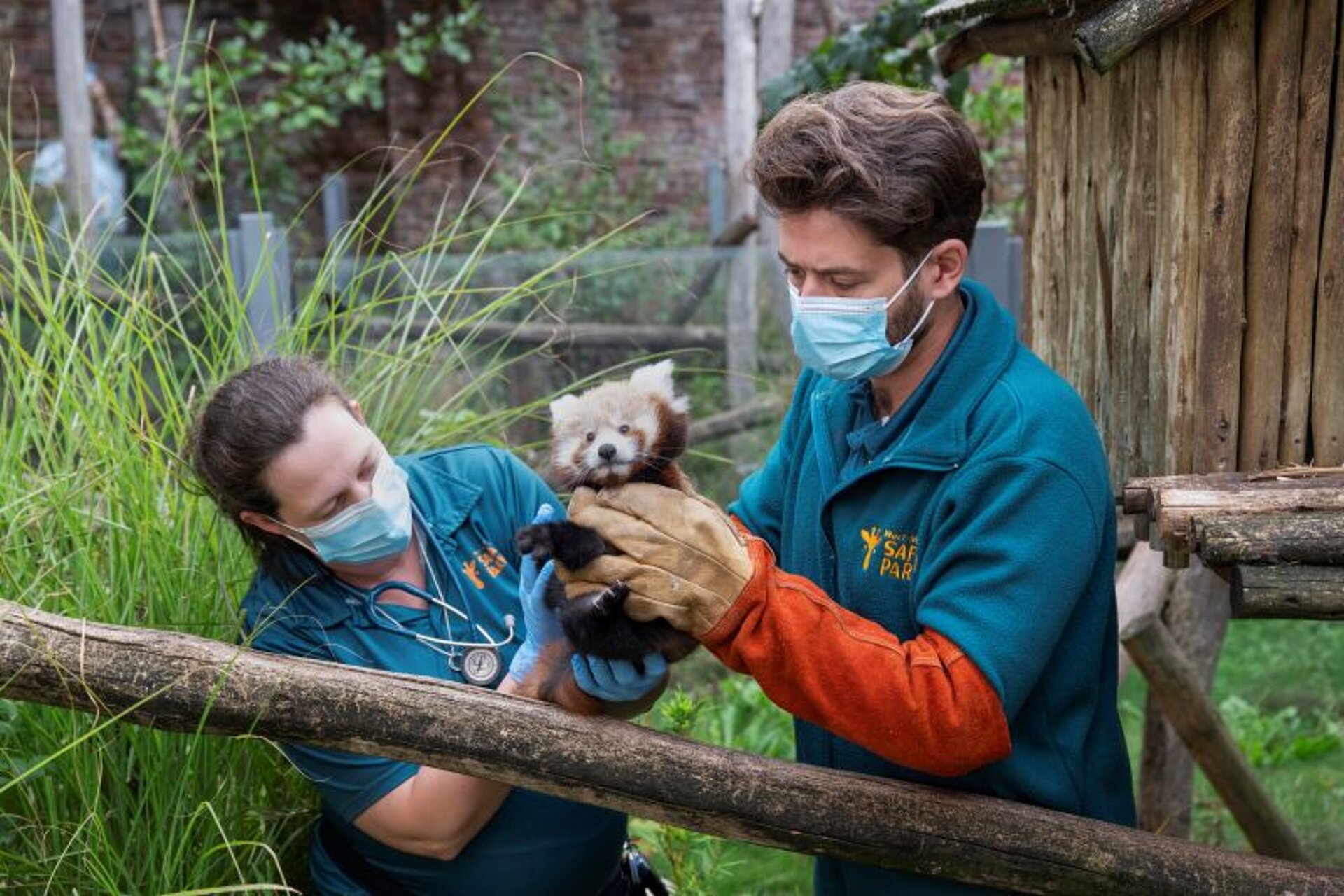
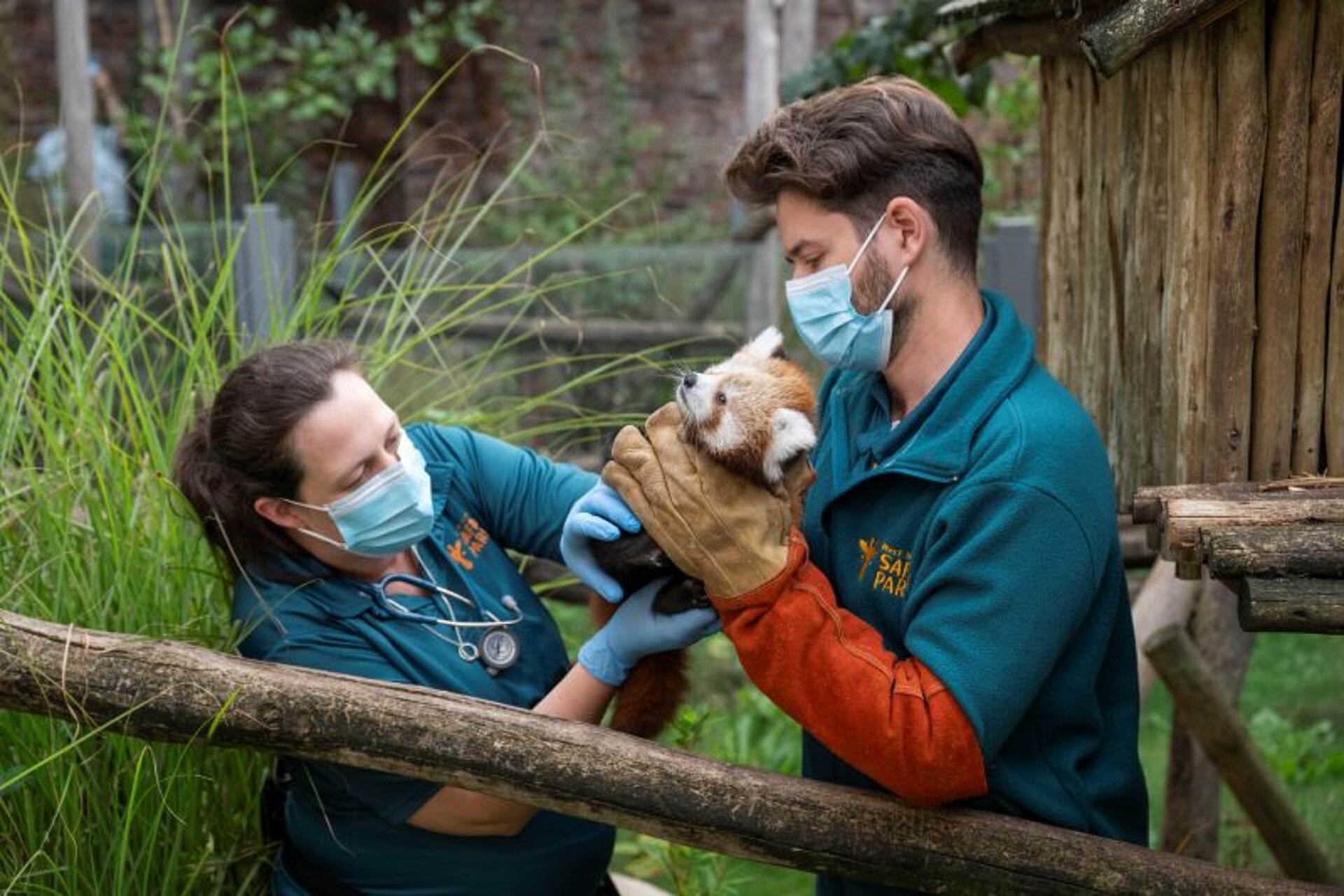
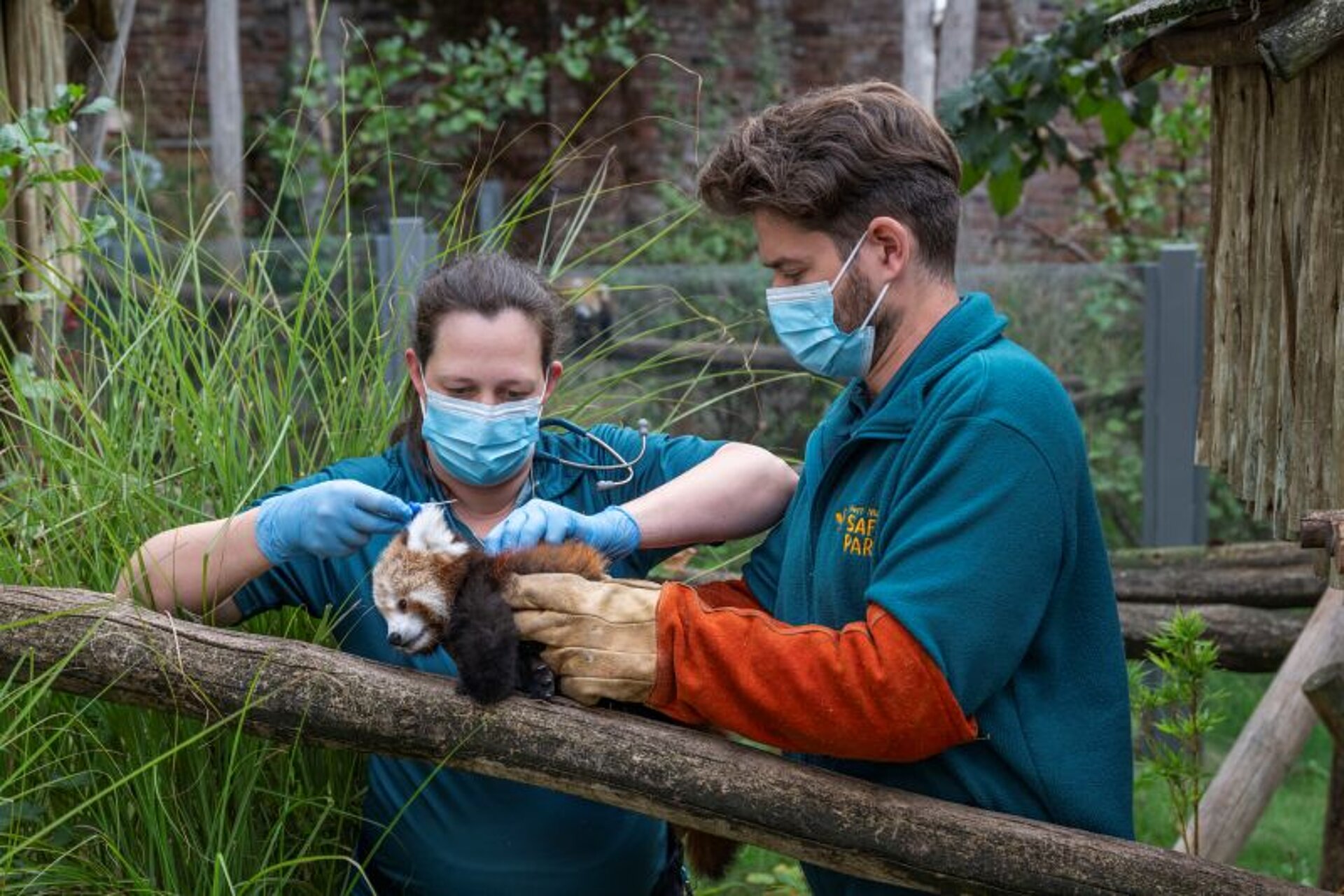
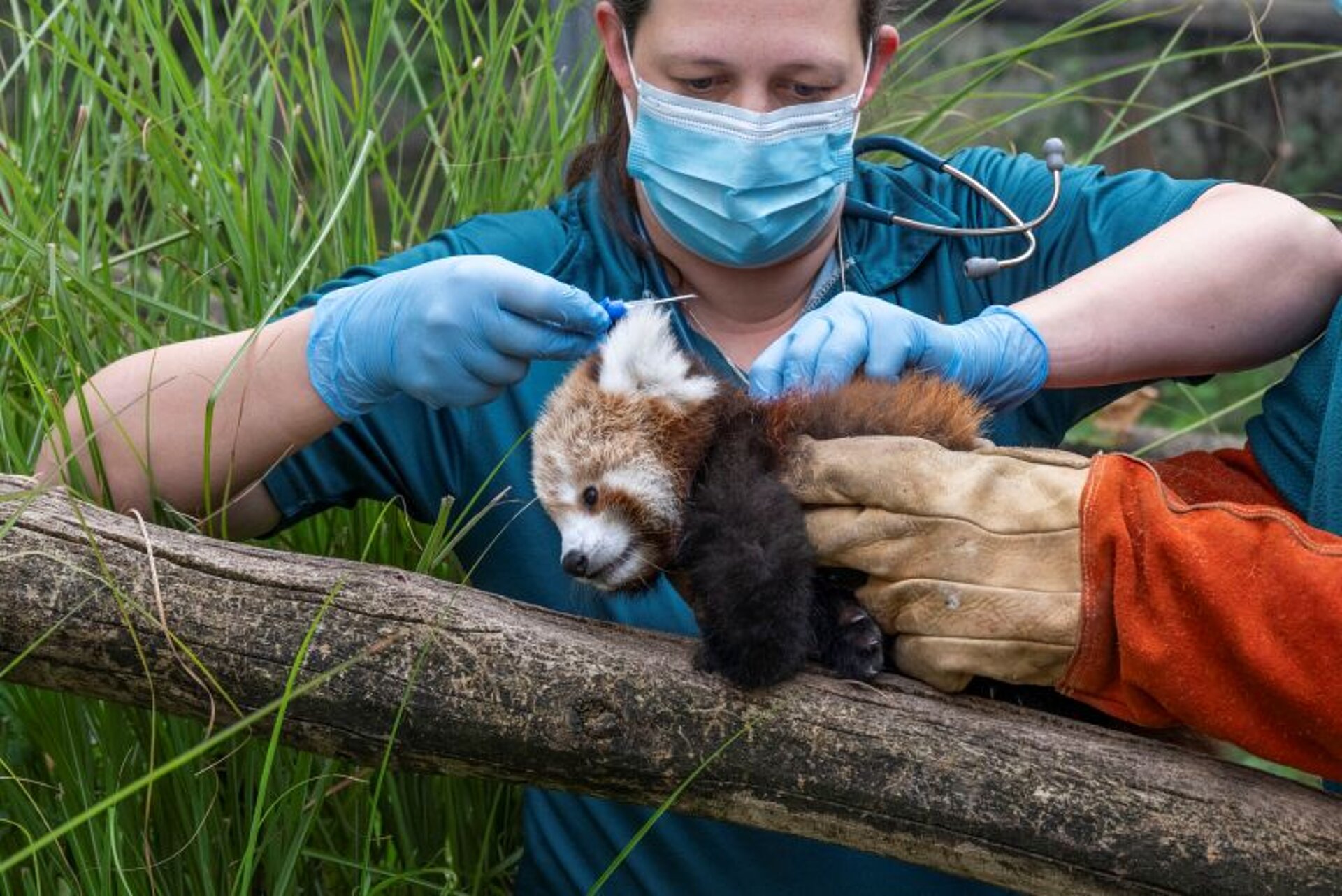
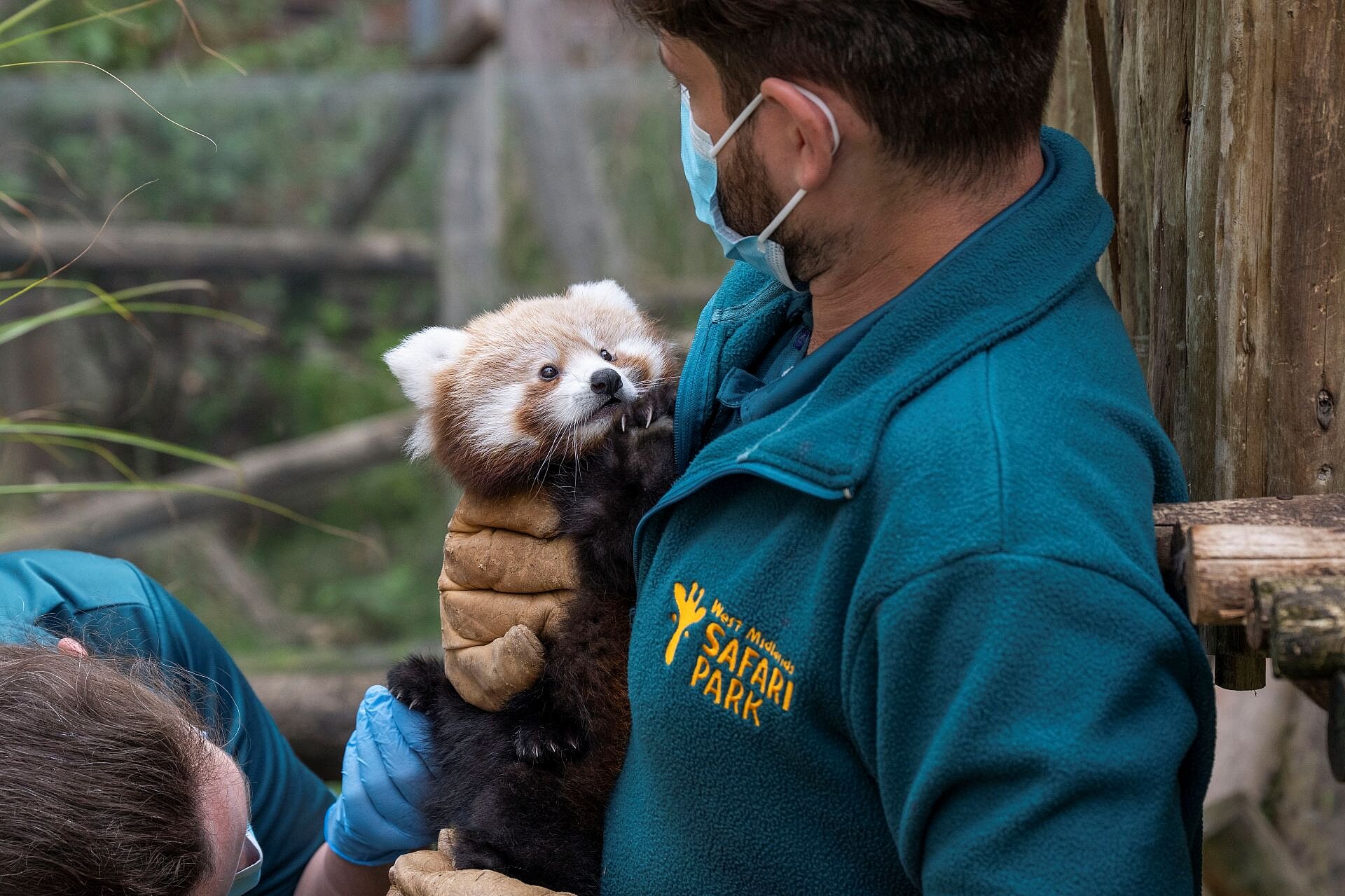
Keepers have completed the first health check on the endangered red panda cub which was born in June, confirming it’s a girl.
The fluffy cub was born on 21 June 2026, to the resident red panda couple - mum, six-year-old Mei Lin and dad, eight-year-old Sanka.
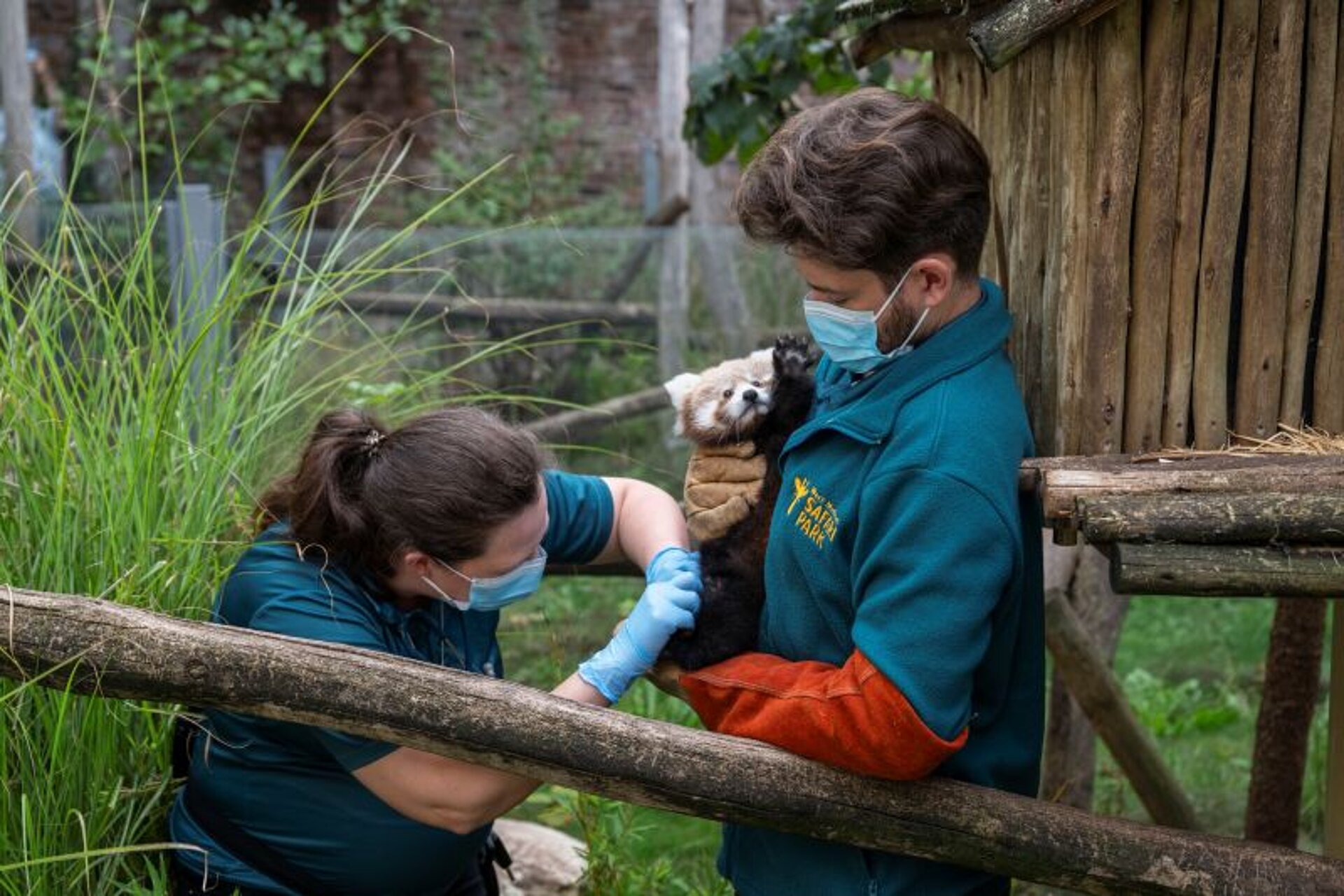
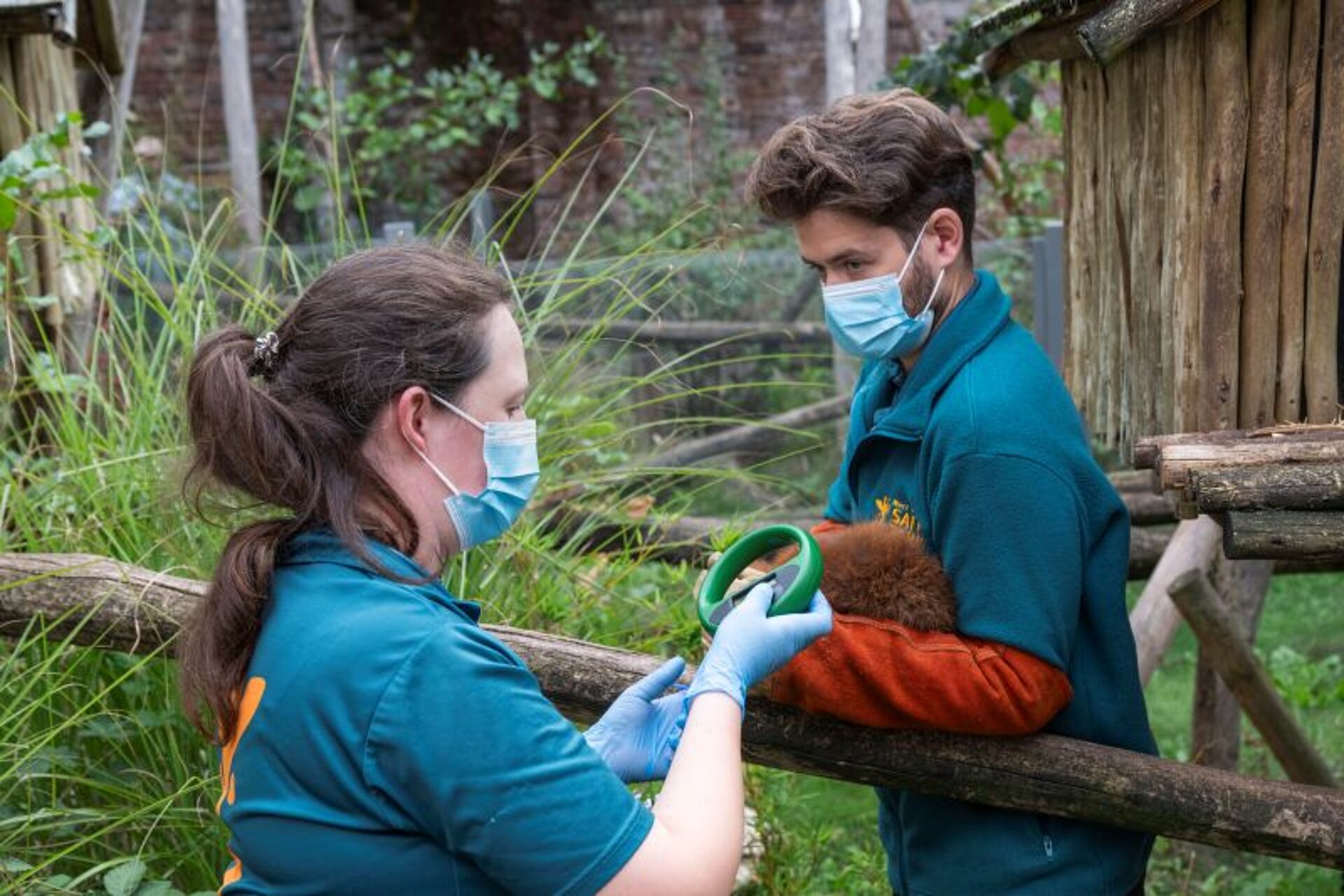
Now at around three-months-old, Keepers and our Vet performed a health check, microchipping the cub, taking ID photos and confirming the sex.
Following the check, keepers chose the name ‘Omari’, meaning ‘light’ in Nepalese, as a tribute to one of the areas where red pandas are from in the wild.
Head Keeper of the Discovery Trail, Vicky McFarlane, said, “Now that the red panda cub is almost three months old, keepers and vets have carried out the first full health check. After checking the cub is in great health and microchipping, the vet was then able to give us the big gender reveal! So, we are very excited to welcome another little girl! Each red panda cub born here at the Park is incredibly special as their numbers in the wild are dangerously low with it estimated that there are fewer than 10,000 remaining.
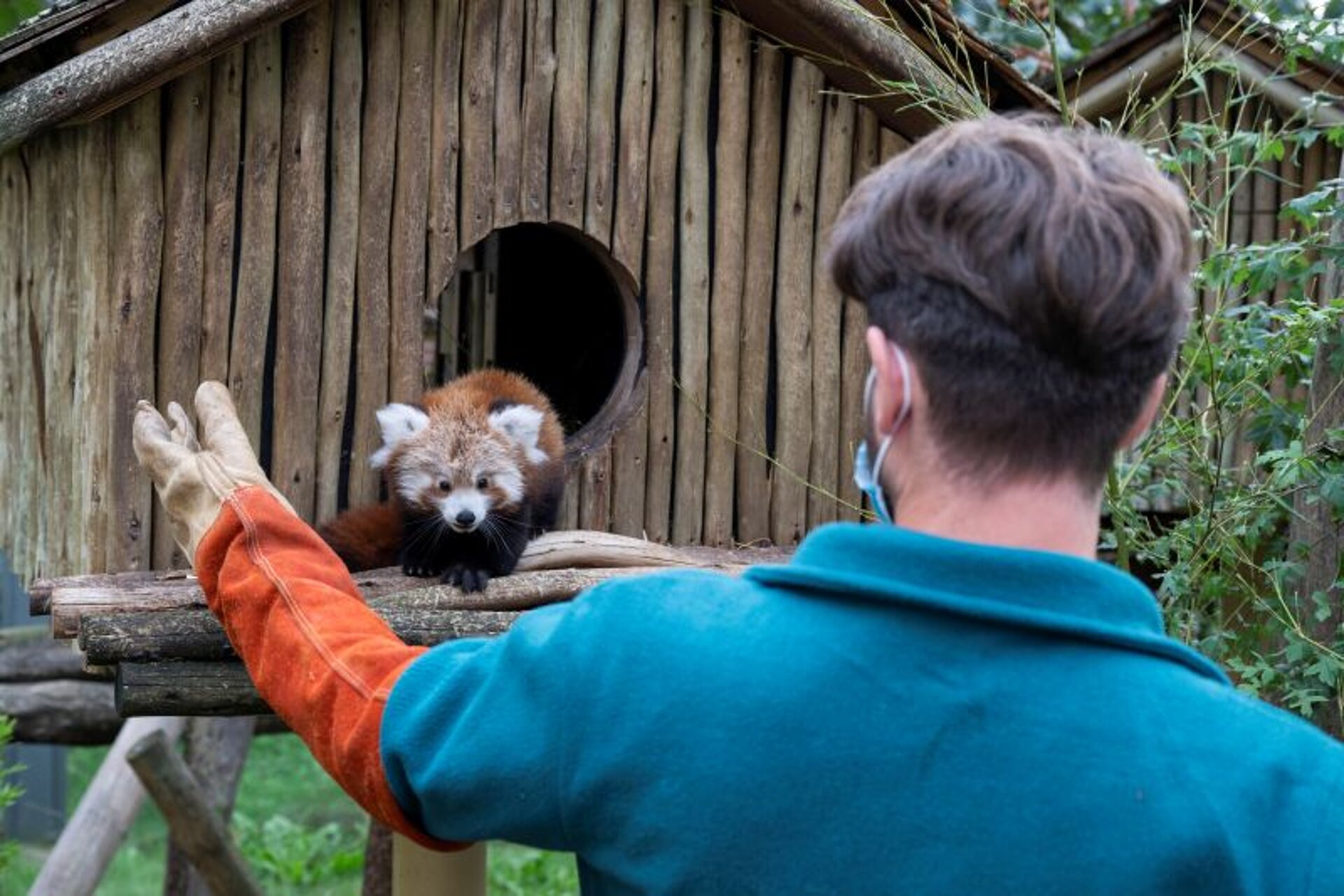
“As always, Mei Lin has been a brilliant, experienced mum to her little girl and as the cub gets bigger and more curious, she will start to spend more time out of the next box exploring her habitat with Mum and Dad."
She continued, “This year, all animals born at the Park will have names starting with the letter "O". Keepers managed to narrow down a lot of ideas and have unanimously agreed this little one's name is Omari, meaning 'light', as she really does brighten up all our days with her little mischievous face!”
Mei Lin arrived at the Park in August 2021 and was joined by male, Sanka, in March 2022, as part of an EEP (EAZA Ex-Situ Programme), which is a collaboration between European zoos to conserve endangered species.
Red pandas are sadly listed as ‘endangered’ by the IUCN (International Union for the Conservation of Nature), due to threats such as the loss, degradation and fragmentation of their habitat, caused by human activities.
Red pandas live in the Eastern Himalayas at high altitudes, in broadleaved forest with bamboo underneath, which is their main food.
While scientists are not sure exactly how many red pandas are left in the wild today, numbers are vastly reduced from historic levels, with the biggest threat being the disappearance of their specialist habitat, caused by humans.
Research & Conservation Officer, Katie McDonald, said, “West Midlands Safari Park supports the conservation organisation Red Panda Network (RPN). They are on the ground in Nepal fighting to increase red panda populations. The funds we provide go towards the RPN Forest Guardians programme who are local people trained and paid by RPN to monitor and protect red panda habitat, as well as educate their communities. There are over 150 forest guardians working across the project area. We sponsor one such guardian and wish him and the rest of the RPN lots of luck in their valuable work.
“International Red Panda Day is on 19 September this year and to celebrate, on 19 and 20 September, we will have our Conservation Station (opposite our Red Panda family), open to guests from 11am to 2pm. Guests can find out more about red panda conservation, earn a red panda sticker and see the red pandas.”
Guests can see the red panda family, at Red Panda Retreat, located in the Safari Walk area of the Park, which is included in the admission price.